Wednesday, 28 October 2020

Selecting perfect wood carving tools and accessories


Woodworking offers a huge platform for both the professionals and aspiring artists for showcasing their innate talent. It just takes the right guidance and patience for pursuing your heart’s desire.

Traditional carving is a heritage that can be seen mostly in the traditional houses, mosques, churches and palaces of Southeast Asian countries. Traditional wood carving is the most significant Malay ornamental art form.

Wood carving is an amazing art which transforms a simple blocks of wood into magnificent masterpieces. With the right set of wood carving tools, accessories and techniques, you can be a good woodcarver.  Essential wood carving tools are of generally clubbed together and offered as wood carving kit.

How to Select Perfect Wood Carving Tools?

Wood carving tools come in different shapes and sizes. Selecting the perfect tools out of so many available tools is a crucial step.

Wood Carving Knives:

Carving knives are basically sharp blades for cutting and shaping the solid wood into the desired shape. These knives are of different types, shapes and sizes that cuts wood specifically. Generally, a detail knife, a cutting knife or a roughing knife are used for carving chip carving patterns.

While selecting perfect knife, you should consider the quality of knife. Knives having planer knives carbide steel blade are more expensive than stainless steel blade. Most carving tools are made from high-carbon steel, which are easier to sharpen.  High carbon stainless steel blades are also available nowadays which comes with the durability of stainless steel and the advantages of carbon steel.

If you are looking for pocket knives, select the one which has two or three knives so that these blades are placed conveniently. A locking knife keeps your knife locked at specific location and thus avoids sudden accidents like hitting to your finger. Also, select a sheepsfoot blade i.e. the one where the tip of the knife is closely aligned with the main cutting edge of the blade.

A whittling knife is basically used for whittling and trimming silvers of wood in order to carve out raw wood into specific shape. Twigs, branches from any tree or specialized baas wood blocks are good to start whittling with. Wooden knives are a popular item to whittle from a tree branch.

One of the primary knives used for wood carving is the Sloyd Knife. It is the ideal striking knife that is considered as the first foundation tool to start wood carving with. The original design has a straight cutting edge with a tapered blade and a front that comes down at an angle forming a blunt point. It is much easier to sharpen and maintain it. It can be used for carving and adding details to work piece. These are also used for quickly roughing out work and carving spoons.

If you are thinking about buying a bench knife, you should consider the quality of steel used in the blade. Opt for high quality blade that can be sharpened well and fits in the palm of your hand. A bench knife having a long blade is good for de-barking wood, creating long whittling cuts, and for general shaping purpose.

Chisels and Gouges:

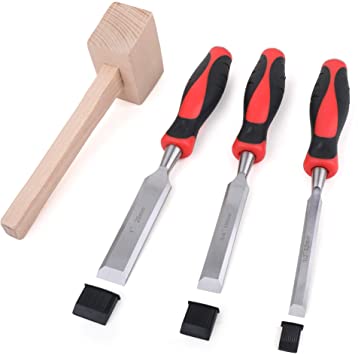
Chisels are wood cutting and shaping tools having a sharp metallic end and plastic or wooden handle at the other end. It is generally driven into wood by mallet or hammer. A Rockwell hardness of between 58 and 61 is considered optimum hardness for woodcarving chisels. High quality woodcarving chisels will retain their cutting edges for a much longer period and even last for lifetime if you care properly.
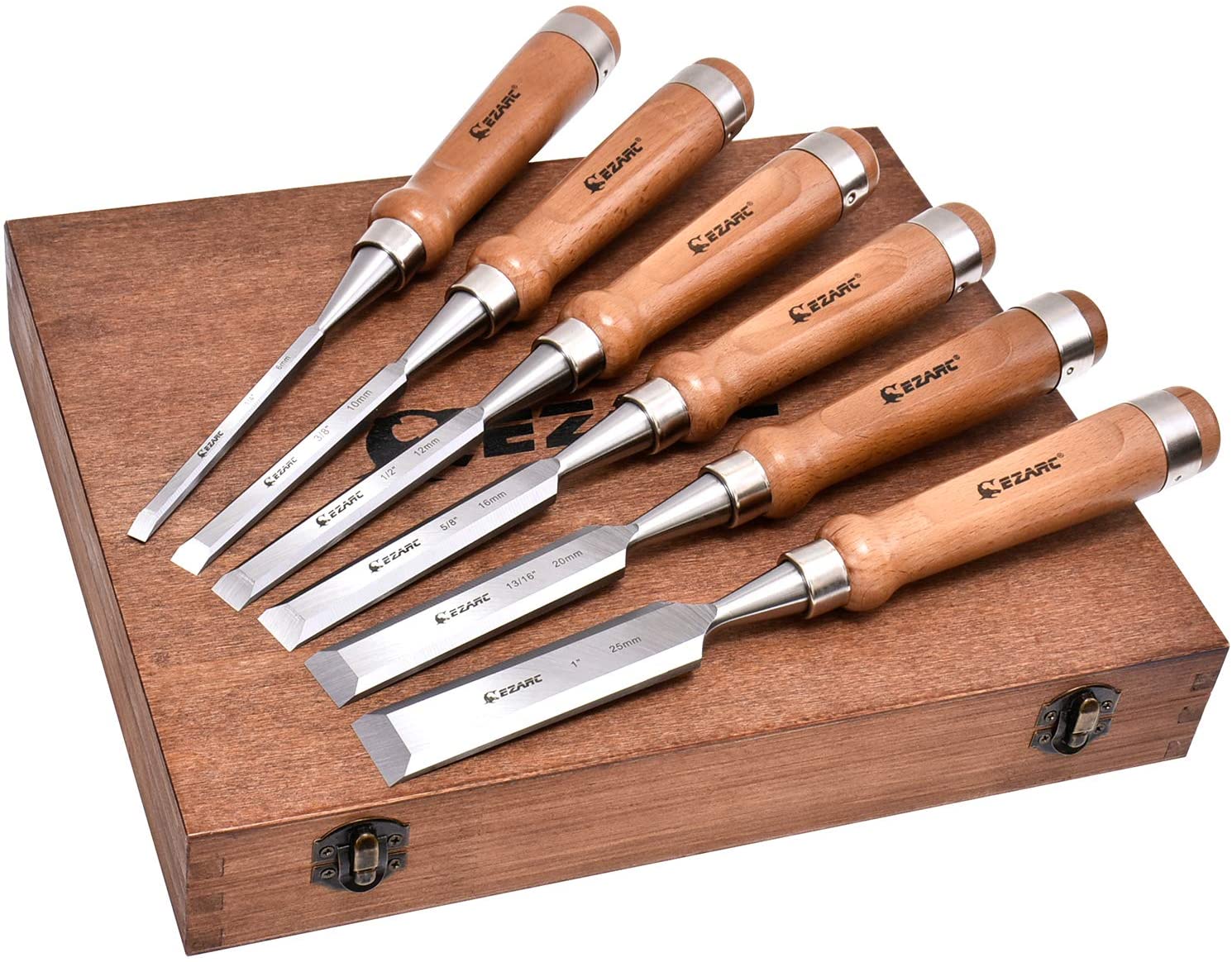
The most widely used style set of wood carving tools include a straight chisel, having a straight flat edge for shaping; straight gouge, having a curved cutting edge or depth; straight skew having a diagonal cutting edge; a veiner, which is a furrowing tool with a cutting edge that looks like a “V”. These tools are available with cutting edges in different shapes and sizes ranging from 1/8″ to 1″.

The tool’s width is measured in millimeters or inches from its right end to left end. The bevel or slant that the blade will take on the carving surface is normally inclined at a 45° angle. It should be sharpened at this angle.

When someone talks about the sweep of any wood carving tool, it refers to the curvature of its cutting edge and is assigned a number for convenience. As the number increases, the curve or depth of the tool also increases. For instance, a chisel’s straight cutting edge is designated as number 1.Number 2 or number 3 gouges are having just a bit of curve in their cutting edges.

A number 11 gouge as referred as a Veiner tool. It is a narrow “U” – shaped gouge, used for making finer detailed cuts, carves deep channels or grooves in wood. Fluter is also a number 11 gouge but has a broader shape. Veiners and fluters are essentially the same type of tool. The names simply refer to the width of the cutting edge: veiners are thin, fluters are wide.

A “V” – tool is also a special type of chisel consisting of two rectangular profiles brought together at a common point, used for sketching around detail in wood carving.

Files, Rasps and Rifflers:

Files, rasps and rifflers are used for shaping and smoothing wood, with much greater control than normal edge cutting tools.  Rasps come with raised teeth. Files have straight chiseled edges that cuts slowly but imparts a much finer finish.

Rifflers are thin, double-ended tools curved to opposing shapes. They can easily get into difficult areas and are good for doing detail work or cleaning up carving. These come in a variety of shapes like flat, round, half-round, and triangular.

Carver’s Mallet:

It’s the most vital tool used by any woodworkers for exerting some additional muscular pressure in their projects. They come in a variety of sizes and styles like the wooden mallets or the plastic mallets.

Mallets used for wood carving are light in weight. They are used to drive chisels or dowels in wood or to knock wooden pieces together.

These are the basic woodworking tools that can be used for carving out basic as well as intricate woodworking patterns and designs.

Wednesday, 21 October 2020

Top 10 Woodworking and carpenter’s tools


Professional woodworkers choose their tools quiet carefully. The basic tools in any workshop are the essential or the most versatile ones. Tools are chosen in such a way that these can be used well for not just one project but for many other upcoming projects as well.

We have collected a list of 10 basic woodworking carpenter’s tools or cabinet making tools that your workshop should be equipped with.

woodworking and carpenter’s tools:

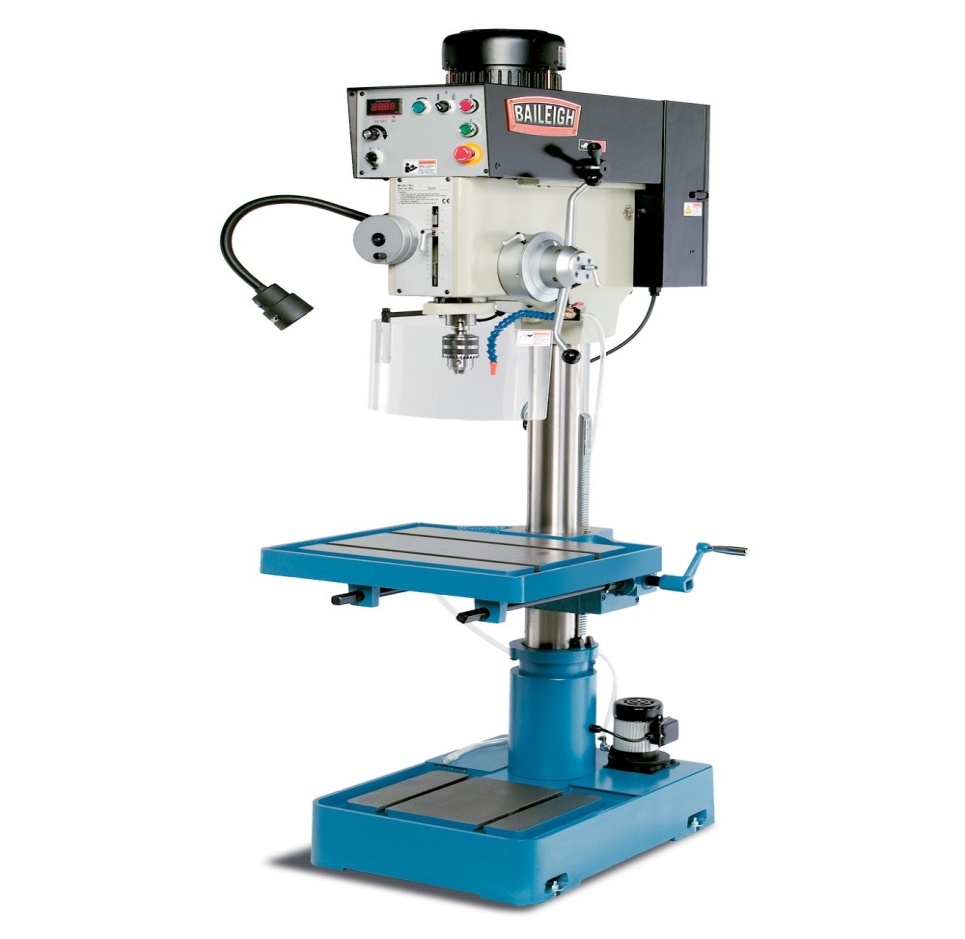
1.Drill Press: A drilling machine or drill press is used for making holes or enlarging holes in workpiece. The primary advantage of a drill press over the standard traditional handheld drill is its accuracy and speed of repetition. The drill is held in a rotating spindle and is fed into the workpiece, which is usually clamped on a work table.Apart from drilling, it can also perform activities like reaming, countersinking, counter boring or tappin

2.Saws: A saw is an important tool that has a blade with its sharp points known as teeth all along with one edge of the blade. It is an essential tool used for cutting lumber or usable workpieces. All saws can be broadly classified into two main categori

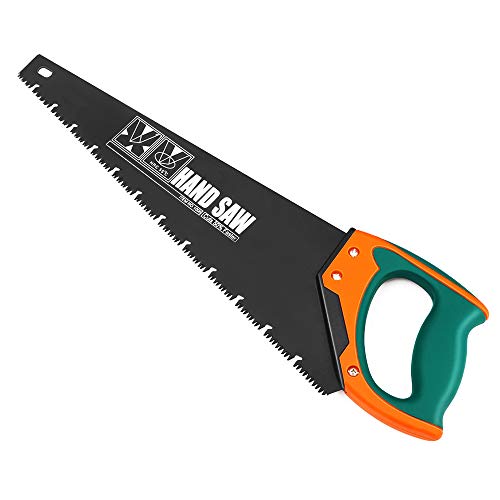
Handsaws: In woodworking and carpentry, hand saws are better known as panel saws while in other sectors these are known as fish saws. Panel saws are driven by muscular force of a woodworker and are used to cut pieces of wood into different shapes.

Handsaw

Handsaws can be further identified as coping saws, hack saws, rip cut saws, crosscut saws, bow saws, pruning saws, fret saws, and veneer saws. Some less common saws are the Japanese saws, keyhole saws, and the back saws.

Powered Saws: Powered saws are usually driven by electricity. These saws are the easiest one to use and are huge time savers. These saws produce excellent cutting or trimming results. Moreover, portable power saws are very flexible and can reach any difficult position with ease.

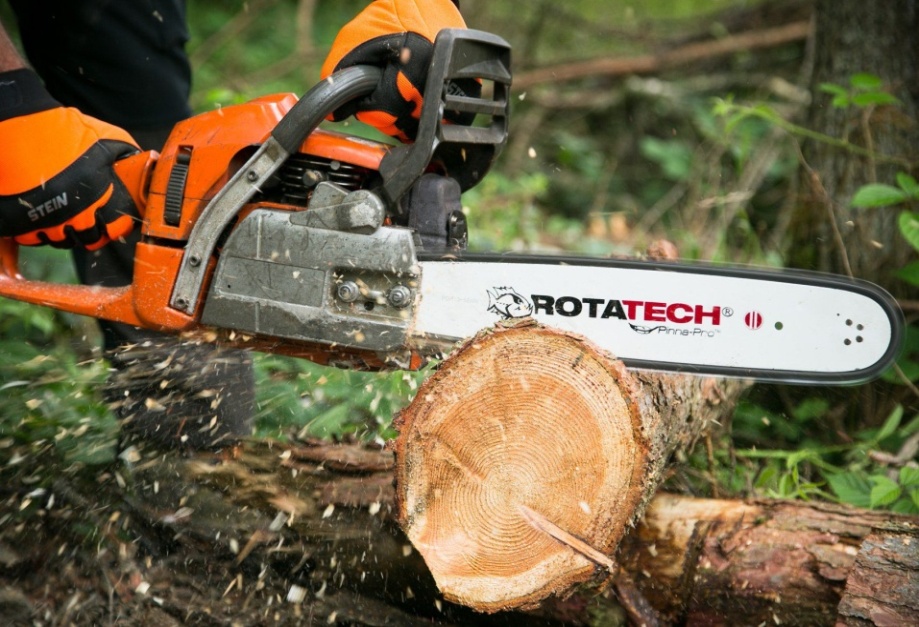
Chainsaw: This saw has set of teeth along a moving chain and is used to cut lumber and even trees. Some chainsaws are driven by gasoline engine and some by electric motor.

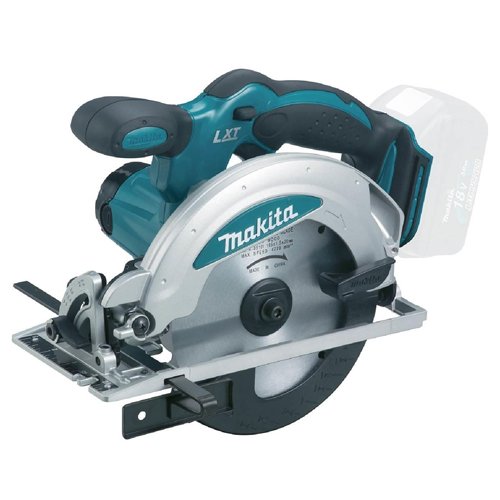
3.Circular Saw: This saw uses a circular blade to cut and is mostly light weight and handy. If you want a cordless power saw for use in different worksites, the circular saw is one of the best options.

Most popular circular saws are Corded circular saws, Cordless circular saws, Compact and Mini circular saws, Worm Drive circular saws, Sidewinder circular saws, Cold Saw circular saws, Abrasive Saw circular saws and the Track Saws.

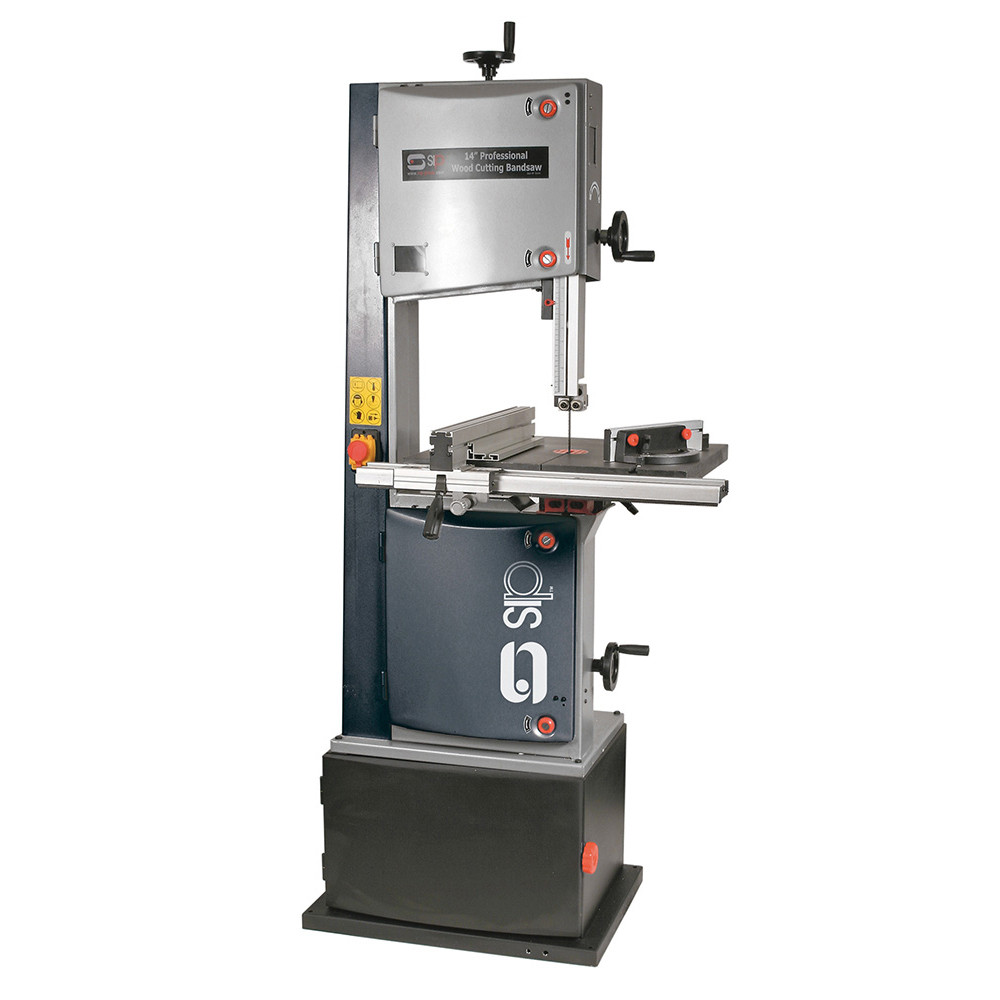
4.Band Saw: This saw is a stationary saw that can cut through different materials just by changing blades. The saw has a long blade in the shape of a band and rotates with speed while cutting wood. The length of the Bandsaw blade is calculated according to the model of machine or the size.

Widely used bandsaws are the Wood band saws, Benchtop band saws, Horizontal band saws, Vertical band saws, Portable band saws and Meat band saws.


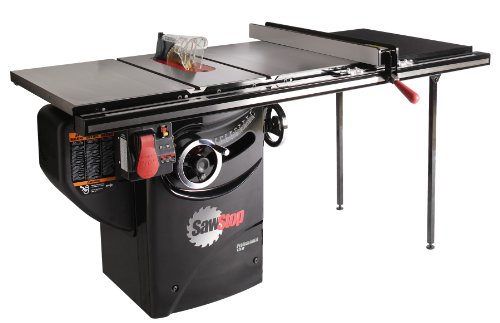
5.Table Saw: A table saw is one of the most flexible saw that has a circular blade and its depth can be adjusted on the attached table so that you can rip the wood, cut straight and measure as you cut as per your requirement. The blade is fixed at the center of the table and simply extends upward and downwards accordingly. A good table saw is always the heart and soul of any workshop.

The most widely used table saws are the Benchtop, Jobsite, Compact, Hybrid, Contractor, Cabinet, Sliding, Mini and micro table saws.

TableSaw

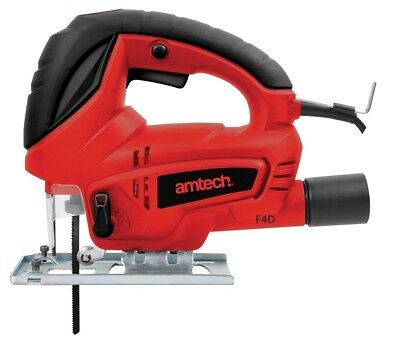
6.Jigsaw: It is a powerful and versatile hand tool fitted with a narrow sharp blade that can cut through so many materials and can reach to some of the most difficult positions while cutting. It can also bevel up-to 45 degree

Jigsaw

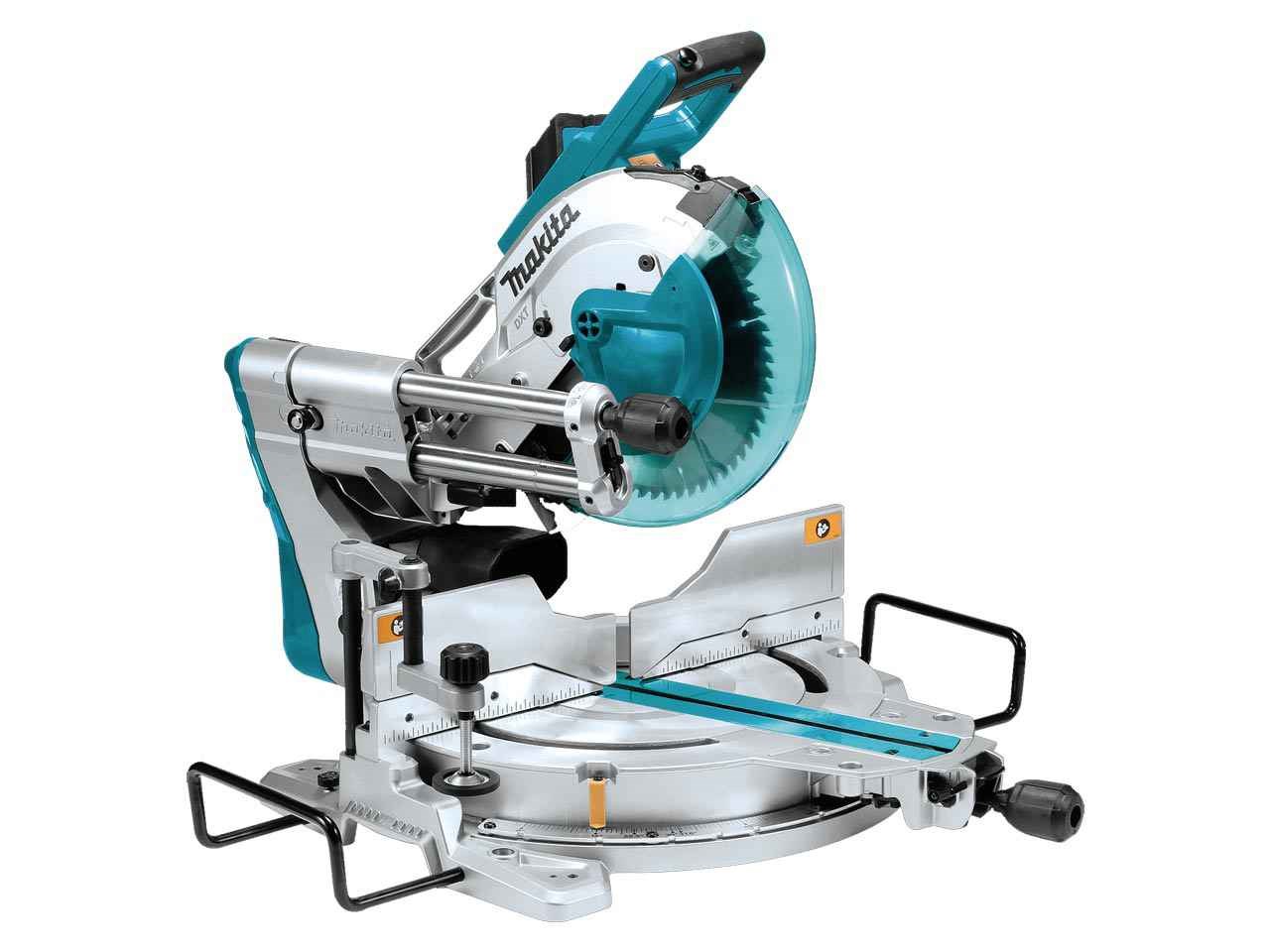
7.Miter Saw: The miter saw is fitted with small circular blade basically used for making angled cuts in wood. For making the most accurate cuts for joints that require most perfect fitting, a miter saw is the ideal tool. Use the dial pad of your miter saw to dial the degree to which you want to cut precisely and get the exact result.

Compounded Meter Saw: These saws will make a variety of angled cuts along with a slight tilt in one particular direction for cutting a bevel. These are popular for making square, angled or beveled crosscuts on wood.

There are many more powered saws available like the scroll saws, reciprocating saws, wet tile saws and pole saws which are used for the purpose of cutting but we have discussed most useful saws here.

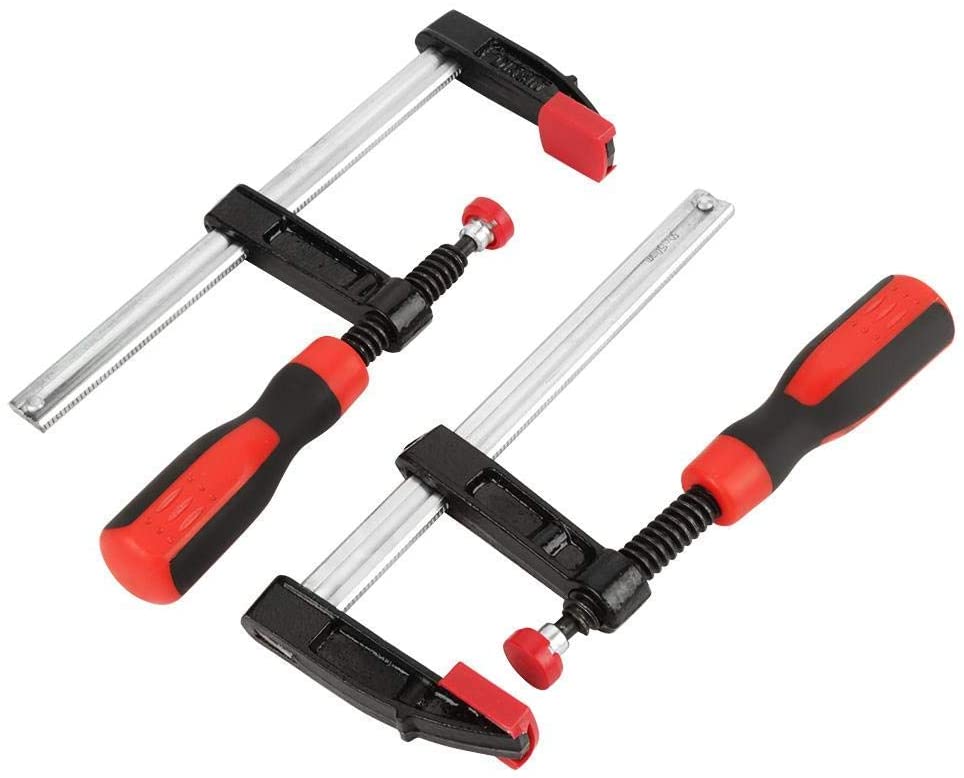
8.Clamps: Clamps are great tools that are used for holding wood pieces securely in any workshop. They are just like extra hands that hold the wood together so that you can use your hands freely. There is a variety of clamps available all designed uniquely to perform various tasks. Some of the famous types of clamps are 90 degree corner clamp, screw clamp, quick release clamp, angle clamp and toggle clamp.

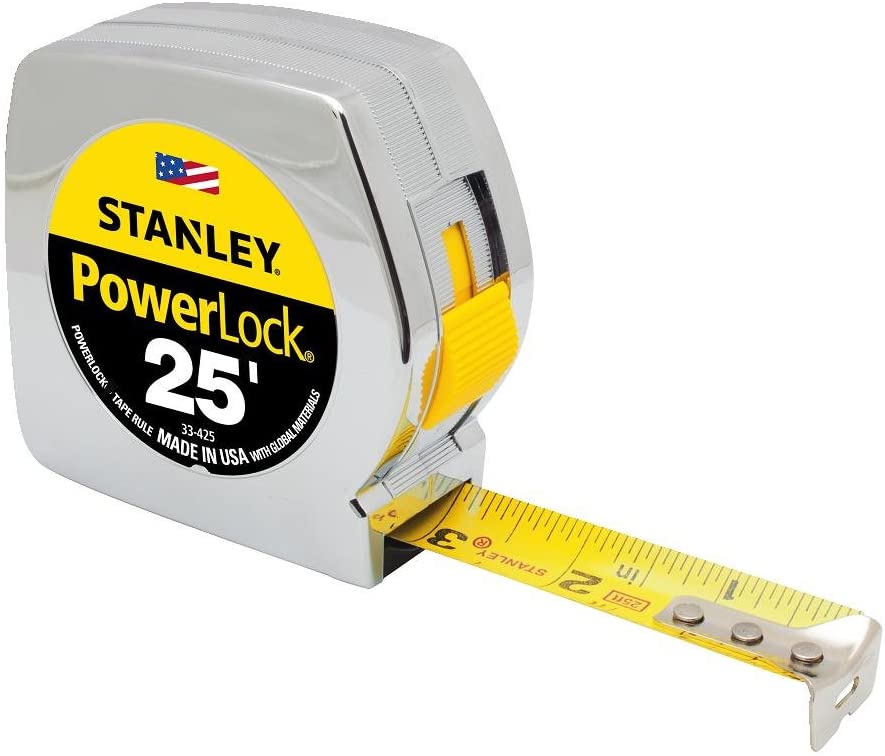
9.Measuring Tape and Carpenter Squares :  A measuring tape or tape measure is a long flat flexible ruler used for making measurements. Woodworkers generally demand more from a measuring tape. Some prefer 25 feet tape while others feel 16 feet tape more light weight and comfortable for use.

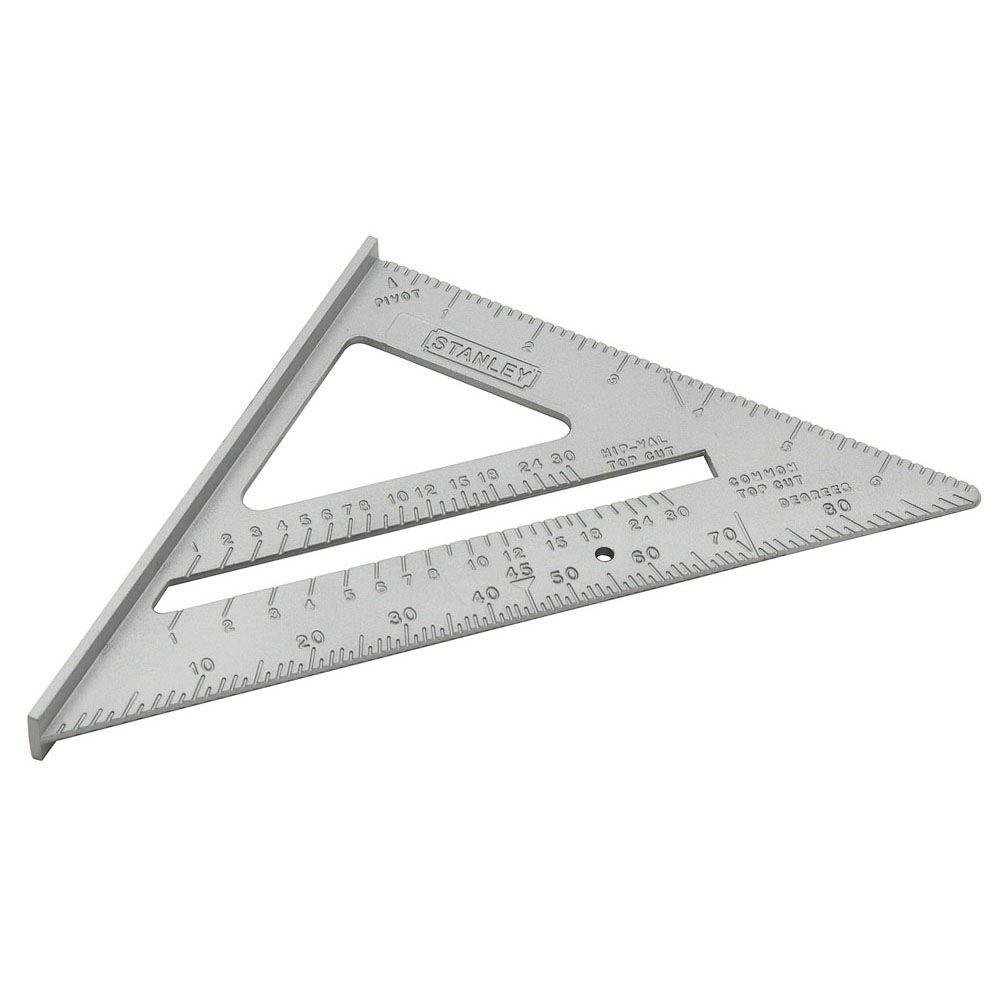
10.Carpenter square  is also known as ‘framing square’ and is used extensively for framing and laying rafters and stairs.  It can also be used as a straight-edge, finding and establishing right angles and marking cut-off work on work piece. These squares are generally made of steel, aluminum or polymers. It consists of long wider arm and a shorter narrower arm which meet at 90 degree right angle.  

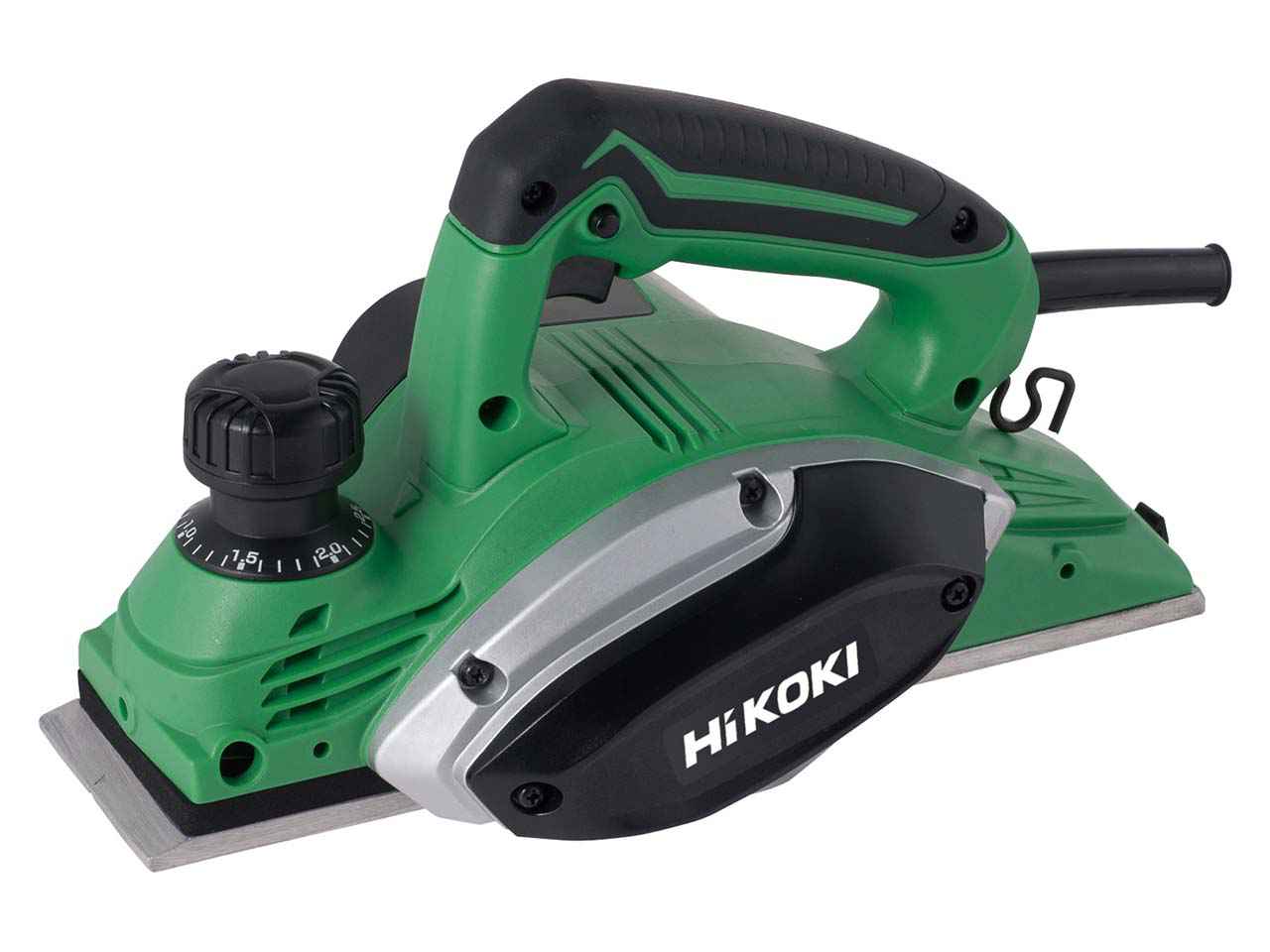
11.Electric Planer: A corded electric planer or the cordless battery operated planer is a tool that can’t be missed at any cost. It smoothes the surface of the wood and rough end grains and tapers the wood also.

A block planer is a simple small hand held tool used for planing manually with blade at different angles than other type of planes.

Electric planers types include the benchtop planers and the stationary planers. Benchtop planers are smaller and lighter than stationary planers.

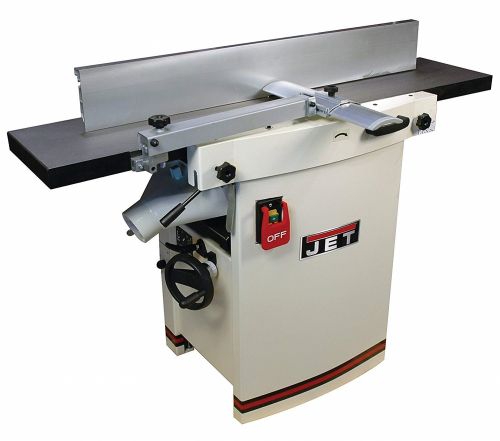
12.Power Jointer and Thickness Planer: This tool is an essential tool that almost every woodworker likes to own. Used since last so many years, it’s a great dimensioning tool that processes rough lumber into exact size and thickness planer blades. It makes the surface of wood usable.


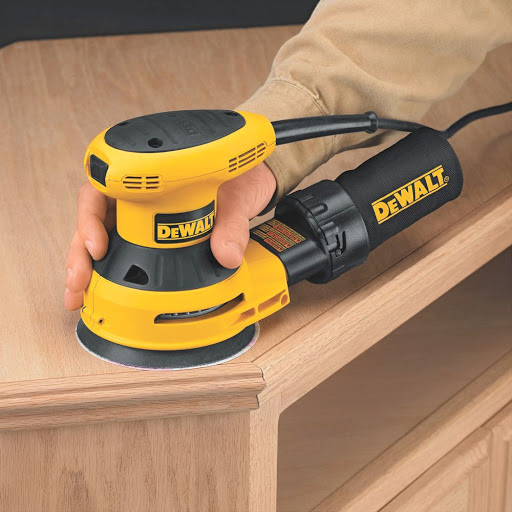
13.Electric Sander: It is a powered tool that smooth and finish surfaces of wood very easily and effortlessly. All sanders have a mechanism for attaching sandpapers and to move it rapidly.

Some of the widely used sanders are random orbital sander, belt sander, disc sanders and finishing sanders. Of course, cordless sanders come to you with additional benefit of detaching from the power supply and using comfortably.

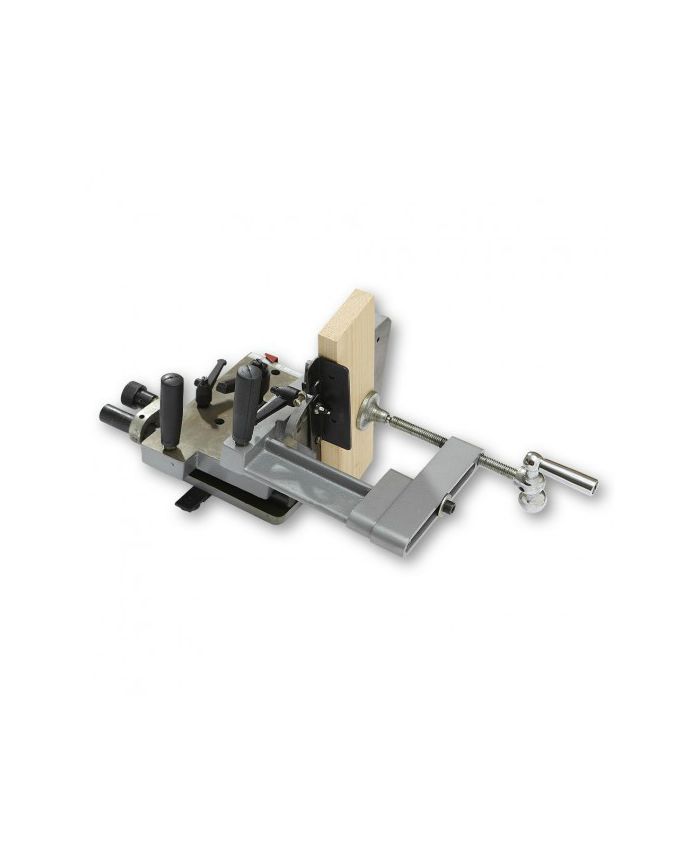
14.Tenoning Jig : Tenoning Jig is actually utility tool of your workshop. It locks the workpiece or stock against a plate and holds it steadily in its place so that the saw machine can cut cheeks and shoulders on all four sides of a tenon. A stop piece keeps the workpiece square in both directions.

Tenoning Jig

15.Chisels and Mallets: Chisels are also indispensible for any woodworker or carpenter. A chisel consists of a sharp cutting edge attached to a handle and is rectangular in shape. It is generally used with a small hammer or mallet or can be used separately on wood.Chisels and hammers are found in different styles and sizes like beveled edge bench chisels, mortise chisels, and paring chisels

Hammer

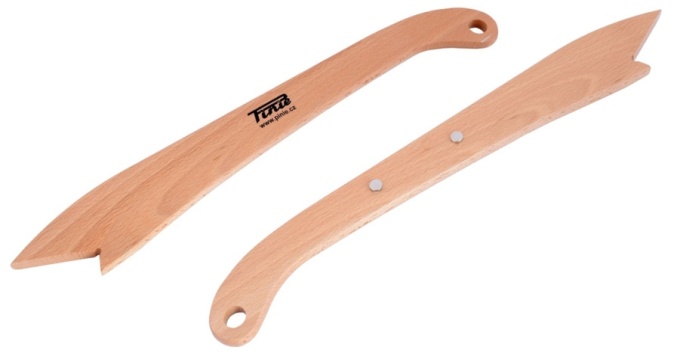
16.Push Stick: At last but not the least important in the list is the push stick or push block. It is actually a safety device that saves your fingers and hands from being fed to the unforgiving saw blade.

Push stick

So, these are  essential tools that any professional carpenter’s workshop should be equipped with. Woodford Woodworking Tooling Ltd. is one of the leading suppliers in UK that is completely dedicated to our customer’s total satisfaction. We supply industrial equipment and various components from a variety of manufacturers and hence have a huge choice for our happy customers.

Thursday, 8 October 2020

Bandsaws Blades for Cutting Metal Plastic Wood


The Woodworking is the best activity or skill of making items from wood, and includes Cabinetry and Furniture, wood making items like table, chair,Kitchen items.

bandsaw is a saw with a long, sharp blade consisting of a continuous band of toothed metal stretched between two or more wheels to cut material.The mostly use for the band saw blades is in cutting irregular shapes.A bandsaw blade (2, 3 TPI) should be used for resawing wood and cutting thicker stock up to 8.The blade itself can come in a variety of size which enables the machine to be highly versatile.The Bandsaw Blades are able to cut a wide variety of materials including wood, metal and plastic. Bandsaws dedicated to industrial metal-cutting use, such as for structural steel in fabrication shops.

bandsaw is a best addition to any woodworking shop, so much so that it should be your first choice when it comes to cutting timber as it’s safe, easy to set up and use, and is extremely versatile.


Tuesday, 29 September 2020

How to Reduce Bore Size of Your Saw Blade?


An experienced woodworker somehow understands the language of their saws and knows the relation between a saw and perfectly fitted blade. A blade must be snugly fitted to the arbor of the saw machine for working properly. If it is loose around the arbor it may damage or shatter the blade.

Circular saw is the most versatile tool that you would love to possess. It serves your purpose well if you working on home renovation projects. These are pretty simple to use also but may require a bit of practice to master. Knowing more about blades used in a circular saw will not only increase your knowledge but will also increase their lifetime.

Circular Saw Blade:

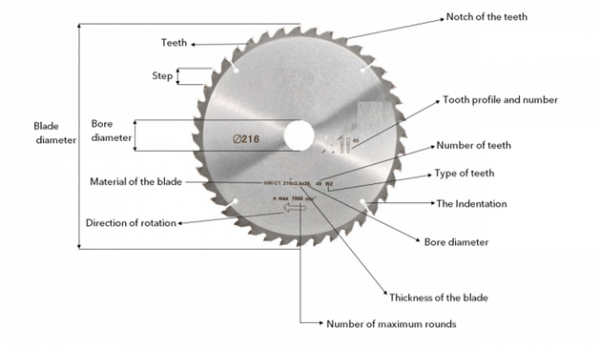
A circular blade resembles a Compact Disk but have tooth at its edges all around. So, these blades are toothed metal discs featuring a hole in the centre called a bore.

Bore: The purpose of bore is to attach the blade to the arbor of the circular saw. You can also select a blade with a bore having larger diameter than the bore shaft or arbor of your saw. For this purpose, the reducer rings or adapter rings are used.

Arbor: The arbor is also known as bore shaft / spindle / mandrel on which the blade is mounted on. It is simply a motor shaft specifically designed for mounting the circular saw blade. The blade rotates on its axis when the power is supplied to circular saw motor.

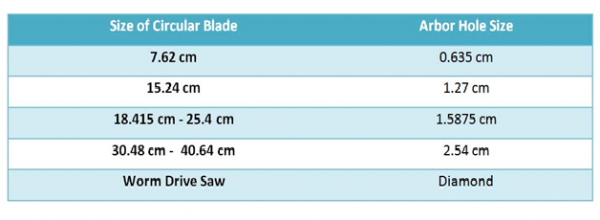
Mitre saw bore sizes vary with different manufacturers and different size blade.The size of arbor hole differs according to size and style of the blade. The standard sizes are listed in the table below:

You must have observed that as the size of the blade increases, the arbor size also increases. The most common circular saw blades are of 18.415 cm, 25.4 cm and 30.48 cm sizes. Hand held saws uses saw blade of 18.415 cm. The size of an arbor is 1.5875 cm for an almost every circular blade but small woodcutting saw blades have arbor hole of 0.635 cm or 1.27 cm. Large blades are generally used for stationary circular saws. Saws having larger arbor hole of 2.54 cm are more powerful and therefore require more power.

However, some blades smaller than 30.48 cm diameter may still come with a 2.54 cm arbor hole or a diamond shaped one. For these blades to fit closely to arbor, reducer rings are used to fill the excess open space.

Worm drive saw blades have diamond shaped arbor hole instead of regular circular shaped. These are specifically designed to meet the requirement of carpenters. Such saws are mostly popular among professional carpenters as these cut large amount of lumber and that too very quickly. It has an engine vertically directed to the saw blade plate which results in producing more torque power even when the saw has lower motor speed. The worm drive technique enhances the available torque and helps to cut through dimensional lumber quickly.

Arbor Reducer Bushing:

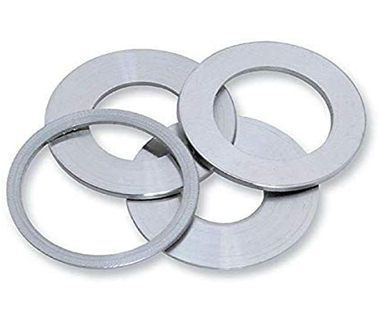
While replacing circular saw blade, it is important to assure that the arbor hole is of the same size as that of arbor on your saw. In case, the arbor hole of the blade is larger than the arbor of the saw, you can fix these metallic saw blade spacers or reducing rings.

The saw blade bush is inserted into the larger arbor of the blade to match the smaller saw arbor. The outside diameter of the bush must be matched to the bore of the blade and the bore (internal diameter) of the bush should match the arbor of the saw.

A standard 30.48 cm blade has a 2.54 cm arbor hole, while most miter saw arbors are only 1.5875 cm. You can easily bridge this gap by using an adapter ring between the arbor shaft and the blade. Never mount a saw blade to a saw, if the arbor doesn’t fit tightly. This may imbalance the blade, which can be extremely dangerous.

These bushing washers are easily to install, cheap and thus saves your money in case you need to work with shafts of two different sizes. Putting these bore bushes on your blades allow two or more blades to share the same spindle of your saw.

Fixing Reducing Rings on Your Saw Blade:

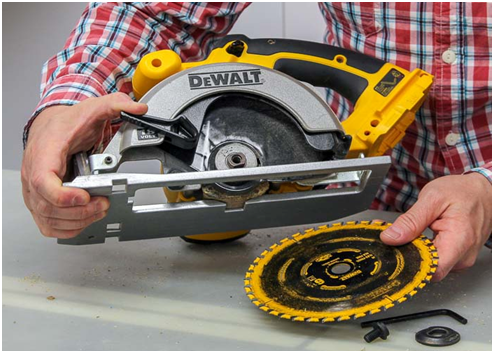
Dewalt Planer
  1. Disconnect the saw from the power supply to avoid accidental damage or electric shocks.
  2. Uninstall the old blade as directed by the instruction manual of your saw.
  3. From the manufacturer’s specification, determine the correct bore/arbor size of the machine.
  4. Select the correct reducing ring, and just try to fix it on the arbor hole of the blade to ensure that it fits correctly to the arbor of your saw.
  5. Keep the saw blade on a flat surface such that the teeth of the blade should not be in contact with the flat surface.
  6. Fix the matching reducing ring over the bore.
  7. Using a small hammer, tap the reducing ring around the outer edges very gently until it is fixed with the blade arbor.
  8. Ensure that it is fixed uniformly to the blade’s body and is not bulging from any side.

Now, you can mount the blade to arbor of your saw and clamp it properly.

Woodfordtooling not only supplies you high quality blades and saw machines but also caters the basic requirements of woodworking like accessories and reducer rings and that too at special exciting offers. Catch up with woodfordtooing.com to avail our low high quality cost offers now.

Tuesday, 15 September 2020

Tersa Knives and Planer Blades – Production and Quality


Woodford Woodworking  machinery and Tooling Ltd Supply a complete range of tooling as a  one stop source for all Tersa blades, Planning Blades Band saw blades and router cutters are  just some of our main products.   As we cut all our Tersa Blade knives and planer blade knives from Tersa on the roll to planer blades in long lengths, Then pack the planer  blades and Tersa Blades to the individual customer requirements  on a daily basis we can supply any length of Tersa  and planer blades within minutes if required to meet our customer demands.

Our flexibility in meeting customer demand  with Tersa and planer knives  means we can supply any length of blades to fit any woodworking machinery  with in the same day for dispatch meaning our customer don’t have to carry large and expensive stocks of  woodworking Tooling just sat on the shelf.

Tersa Knives available are Genuine Swiss Hss very high quality high speed steel precision ground to extra fine tolerances For a  high quality finish on general Joinery and furniture production.

Tersa Genuine Swiss M42+ special designed High cobalt Tersa blades for longer life span for use on timber such exotics as  hard woods  giving an extra 35% life more than the standard Tesa Hss

Planer Knives  We only supply High Tungsten T1 18% high quality knives for our wood working machinery  or solid high grade Tungsten planer knives for our Hand held such as Dewalt  Makita Bosch  , We are able to match our customer requirements on a daily basis by cutting every planer blade in house ourselves and shipping  the same day to give top quality customer service to match our top quality planer and Tersa blades  We can cut a, our Tersa and Planer blades to fit any woodworking machine Such as SCM, Wadkin, Rojek ,Sedgwick,Weinig and many more. Categories: Buying Guides

Thursday, 3 September 2020

Why to Use a Featherboard?

 Working on saw machine and using feather board along with the fence is just like working with extra hands! Featherboards keep your fingers safe and in good shape while operating power saws.

Featherboard:


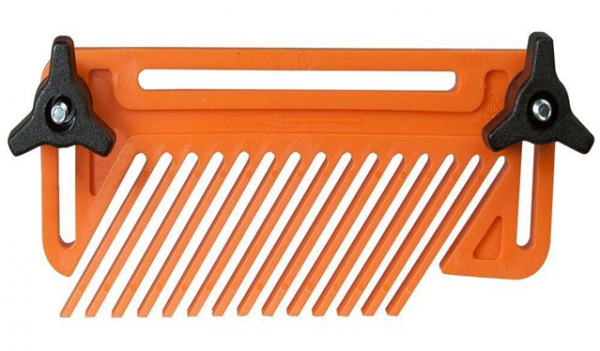
Feather board is basically a safety device. It is used when working with stationary power saws like bandsaws, table saws, mitre saws shapers, router tables, radial arm saws etc. A feather board is simply a board with a series of defect free slits cut into a uniform fixed angle like 45 degree, forming a row of flexible fingers that bends just like the barbs of a feather. It applies pressure against the wood to be cut and keeps it flat on the saw machines table or the fence while steering the work piece to the blade.

A feather board can also be created at workshop from an approximately 3/4 × 3 × 11 inch piece of straight grained, defect-free wood, cut crosswise at a 45-degree angle on one end. Many slits parallel to this direction of the grain can be cut manually but creating a good defect free feather board is a time consuming and tedious task. So, purchasing a good one will prove its worth in the long run and save your precious time too.

Features of Featherboard:

  • Featherboards are usually made from a high quality polymer and each feather board consists of angular slits known as fingers.
  • The angle of the fingers allows the wood piece to pass in an unwavering, straight line but offers resistance movement in the opposite direction.
  • These fingers exert some pressure on the work piece to be cut while feeding to the saw that produces cleaner cuts with rare chances of kickback, chattering or displacing of work piece.
  • It comes with wedge-lock hardware which works in T-slots or miter slots on table saws, router tables or band saws.
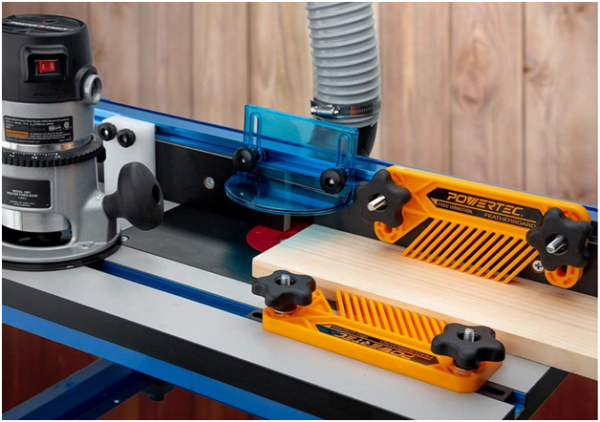
  • The featherboard slide into miter-gauge slots in the router table or fence, and are locked in place by tightening a pair of knobs attached at the ends.

Key Benefits of Using Featherboard:

  • The most important benefit is again your safety. It keeps your hands and fingers safe while feeding wood piece to the saw machine.
  • It enhances the accuracy and quality of cuts tremendously.
  • It can be connected to its place very easily and quickly.
  • It is useful for edge jointing, and making moulding on router tables.
  • It performs especially well at the table saw and router table. It can also be used on shaper, band saw or any other woodworking machine with a miter gauge slot.
  • It takes care of the thin wood pieces, especially when feeding wood piece by hand is somewhat difficult.

Double Featherboard:

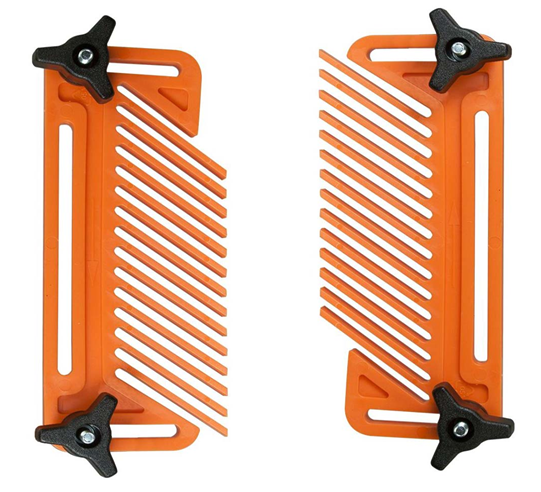
Using double featherboards give extra control over feeding mechanism. On router tables and shapers, you can use one featherboard before and the other one after the cutter. It is a good practice to attach featherboards to both the fence and the tabletop while routing long and thin wood piece on the router table.

Where to Get One?

Featherboard is a specialty tool and hence may not be available at your local stores but will be stocked at high quality building supply stores and woodworking tools dealers. You can also place your online orders from here in case you are searching for some good quality at decent price.

How to Use a Featherboard?

Using featherboard is quite simple and a quick process. A purchased featherboard will easily slide in the mitre groove on your table saw. Place the featherboard with fingers aligned in the direction in which the wood piece is fed.

The saw blade should never touch the fingers of the featherboard so just keep it little bit away from the blade. Also, make sure that its both the knobs are properly tightened so that the wood piece is secured and moves in forward feeding direction only.

For the most accurate cuts, lower the blade with the tool off and place the stock against the fence. Now, set the featherboard against the wood piece and tighten the locking mechanism with knobs attached. Test the wood piece if it is fixed properly or not in a dry run with the blade lower down. Ideally, the work piece should move in forward direction and not move back. Now, raise the blade up and push the wood piece for cutting.

Wednesday, 19 August 2020

Cabinet Scraper Set; A Daily WoodWorking Tools For Your Wood Shop


cabinet scraper (sometimes called a ‘card scraper’) is a woodworking tool used for shaping and finishing.Scrapers are arguably the most simple tool used in woodworking. Typically made of thin carbon steel like that used to make hand saws, they’re sharpened by creating a hook or burr on their edge. A cabinet scraper (sometimes called a ‘card scraper’) is a woodworking tool used for shaping and finishing.Scrapers are arguably the most simple tool used in woodworking. Typically made of thin carbon steel like that used to make hand saws, they’re sharpened by creating a hook or burr on their edge. The name ‘cabinet’ is used because scrapers are versatile and important tools for cabinet makers.Cabinet scrapers traditionally resemble a simple blade with no handle, but there are other, more complex designs available, which are explored further on.

Scraper_Rectangular

There are Three Scrpers and esch have different shape Like Flat, Concave and Convex.

The rectangular scraper Cabinet Scraper 5″ is the most common and does a great result of smoothing flat surfaces.Cabinet Scraper A “must” for woodworkers! Made from high quality carbon steel, cold rolled, hardened and tempered, and with specially ground cutting edges. Ideal for smoothing hardwoods, removing paint and varnish etc. Flat Profile Cabinet Scraper. Size: 125 x 62mm (5 x 2 1/2in).

The Concave Convex Hollow has two long flat edges like the rectangular scraper, but each end had a radius. Wood Cabinet Scraper Concave Convex Hollow 140 x 50 x 0.8mm. UK Made. W3341 The Convex/concave scraper (2″ x 6″) can obviously be used at either end to fit hollows and rounds. It may also be used as a flat scraper along its parallel edge. The points at the concave end are ideal for scraping in narrow grooves.

Concave Convex Hollow

The Gooseneck Cabinet Wood Scraper Woodworking Craft Tool All our Wood Scrapers are made in United Kingdom from Carbon Steel, with a hardness rating of RC40/42, 60 temper.steel temper varies from 9 – 20 which is dead soft, up to 85 which is very hard) This 60 temper rating gives our scrapers a better balance of holding a Sharper edge, being able to be resharpened, and with enough flex in the blade to give good tool control.

Goose Neck

Sharpening a scraper is a simple process and can be done quickly.As with any other quality cutting tools made from high carbon steel, these scrapers require a bit of maintenance to prevent rusting. We recommend wiping your card scrapers clean and applying a light coat of oil before storing in a safe, dry place.