Showing posts with label Wood Planer Blades. Show all posts

Thursday, 12 November 2020

Quick 10 Tips on Must-Have Woodworking Tools


Tips and tricks are always seen as blessings as these save your precious time, energy and make your life easier. Tips from experienced woodworkers help in managing and doing complex tasks with ease. We have collected few tips from wise woodworkers about their tools and how to deal with certain problems. Let’s have a look…

10 Tips on woodworking tools

  1. General Safety Tips for woodworking tools: Before operating on power based woodworking tools, read the instruction manual very carefully. Knowing your machine well before using it is a must. Take proper training and never ignore safety practices. Always wear safety glasses or goggles, or a face shield (with safety glasses or goggles). Also, protect your hands and feet with suitable gloves and shoes. However, do not wear gloves when you are working too close to rotating blades and other machinery parts where it can tangle in between the blade.

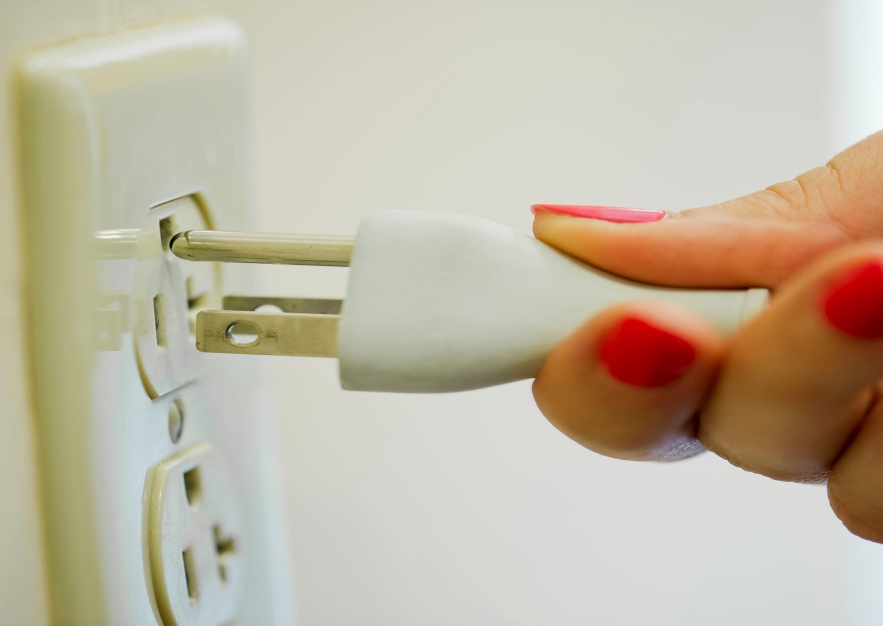
2. Switch OFF the power button and unplug the power cord before actually examining, cleaning, repairing or changing a blade or any tool part as it saves you from accidental hazard. The habit of turning off unnecessary power when it is not required will also save your hard earned money.
3. Check stock for foreign objects: Always check the wood piece or stock for foreign objects like nails, screws, staples or any metal part entangled within it and remove it first before feeding to the blade of machine. This step is particularly necessary if you are using scrap wood.  These can become a dangerous projectile if it comes in contact with a spinning blade and can damage the blade also.

4. Do regular maintenance of your woodworking tools: Keep your tools always sharp for smooth and professional results. Worn out or dull tools like blades, chisels, planes, scrapers and gouges don’t cut evenly and could chip out wood. Sharp blades increase your efficiency, make your work easier and give you cleaner cuts.

5. Use a push stick: Jigs like push stick protect your fingers from being fed into the blade of the machine accidently. Always use a push stick to push a wood piece that is less than 6 inches (152.4mm) through the blade.  Proper and durable push sticks can be built in the shop or purchased from any fine woodworking supplier.

While the machine is still operating, do not remove sawdust or cuttings by hands from the cutter head of the machine. Use a push stick or brush when the machine has stopped running. Do not use compressed air to remove sawdust, turnings, etc. from the cutter head of the

6. Say NO to free hand cut on a table saw: Never try to attempt a free hand cut when you are working on a table saw. Use a push stick, the fence or the miter gauge to feed the wood piece to the blade. Use one of these options and always try to cut or rip along the direction of the grain of wood piece.

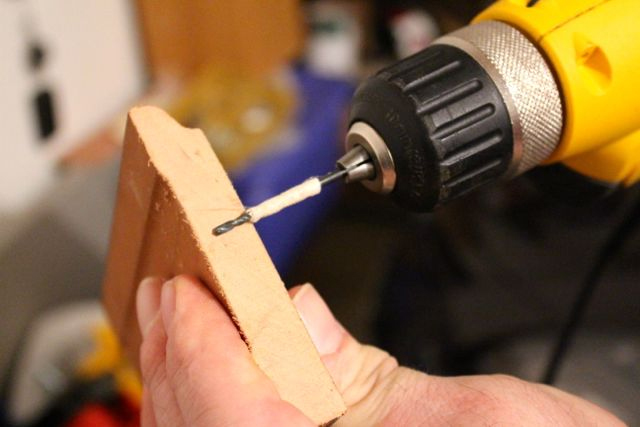
7.  Setting the depth of the handheld drill: Simply, roll up some tape on the drill bit to the point where you want the drill to stop as all holes do not require to be drilled thoroughly. Setting up stops on a drill press is quiet easy but sometimes using the drill press isn’t the best option.
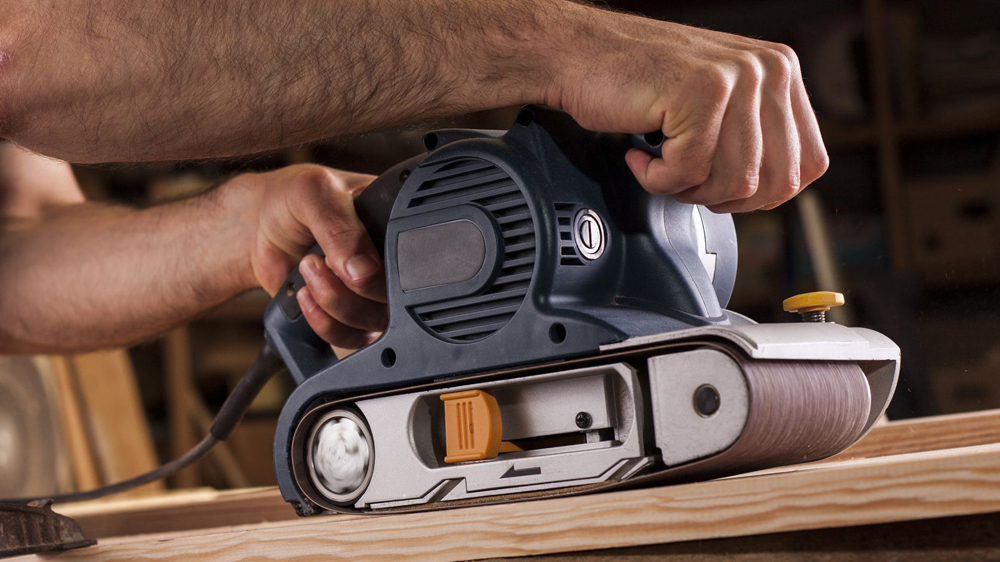
8. Belt sander stop block: If you are using belt sander for sanding your boards, make a stop block of same thickness and clamp it in order to stop the board from jumping away from the work bench.
9. Magnetize your screwdriver: A magnetized screwdriver could save lots of dropping screws and searching time. This old trick is done by rubbing magnet along the shaft of a screwdriver many times in one direction only. You could also attach a magnetic strip on the wall and hang small tools and iron parts so that these are not misplaced.

10.  Recharge station for your cordless power tools: Cordless tools are great to work with as they can reach anywhere but recharging chargers and their tangled cords could mess up your workspace. It is a good to organise all your chargers at one spot and plugging then in one power strip.

Friday, 21 February 2020

Planer Knives blades Material

Planer blades are the best solution using High-quality HSS and carbide for ultra-hard cutting extremely sharp blades in many of today's of woodworking applications.

HSS or High Speed Steel planer blades are sharper, which gives you the smoothest planing result. TCT (Tungsten Carbide Tipped) blades, also called HM (Hard Metal) blades, are less sharp.
They give a slightly less smooth result than HSS blades, but the result is still very good. The big advantage of TCT blades is that they stay sharp up to 5 times longer.

Tough, high quality and high precision cutting; this describes  planer knives and blades for working with wood.

Having been associated with the wood industry since the company was founded, offers a wide range of planer knives that offer exceptional reliability and productivity thanks to their cutting power and durability.
Our extensive selection of materials, alloys and models, provides a solution for every sector of the wood. Woodfordtooling has a wide variety of planer knives qualities such as:

TCT planer knives: these planer blades are very suitable for working wood and semi-hard (especially exotic), pressed wood, hard tissues and all laminated. For machines planers and moulders.

Stellite planer knives  (alloy high cobalt content); these planer knives are suitable for working hard and semi-hard wood bit abrasive.

HSS 18%W planer knives (speed steel alloyed with 18% tungsten) these blades are suitable for semi-hard and soft woods and to work with planers and moulders machines.

HSS 6%W planer knives ( speed steel alloyed with 6% tungsten): these are suitable for semi-hard and soft woods to work with planers machines.

Woodford Tooling - the UK's largest stockist of Planer Knives Blades.  Xcalibur planer blades are the best solution using High-quality HSS and carbide for ultra-hard cutting extremely sharp blades in many of today's of woodworking applications.

Thursday, 27 June 2019

The Most Woodworking Tool List, becoming a woodworker is easier than you might think.

The Most Woodworking Tool List, becoming a woodworker is easier than you might think. There are so many tools have that used in woodworking industries.This starter tool list includes a wide variety of tools used for general-purpose “straight-line” woodworking — that is, tools and machines for turning are not represented. This is not intended to slight woodturning, which is not only an integral part of much classic furniture making, but a fine sport unto itself.
The focus of this beginner woodworking tool list, however, is on the tools and machines most often used for basic woodworking: cabinets, shelving, tables, boxes and other common projects. While this is a great woodworking tool list for beginners, it is also helpful for more experienced woodworkers to prioritize tool purchases.
There are two types of tools i.e Power Tools and Hand Tools. The choice of the woodworking hand tools and woodworking power tools herein naturally reflects personal predilections, and there’s doubtless plenty of room to debate the merits of any specific item.You can also browse our site for more tool options.
Now a days all wood working tools get at Online shop with low cost. Woodford Tooling sources products such as Planer blades and Knives from all over the world as well as supporting a number of specialist UK companies for woodworking Machinery, Spindle Tooling and Tersa Knives.

Thursday, 2 May 2019

Planer Thicknesses Knives Setting

Regular serrations over the surface could also be thanks to the metal in feed roller pressure being set too onerous, crushing the wood deeper than the cutting circle of the cutter block. This never happens with a rubber-coated roller. Strive weakening of the pressure slightly with the adjusters.


With rubber feed rollers the coating will typically twist on the central spindle to create a lamp. This leads to an awfully jerky feed and leaves widespread dirty marks wherever the rubber grips intermittently. If the wood stops feeding altogether, it should be that you simply area unit taking too significant a cut or the board is slightly tapered and has corroded. Scale back the depth of cut and it ought to begin feeding once more.corroded

Feed in just one piece of timber at a time. Unless you’ve got a sectional feed roller newer place many slim items of various thickness along as a result of the thickest piece may elevate the Infeed roller afar from the diluent ones that may then be discharged backwards.
Indentations and bruises on a Thickness board will be caused by poor chip clearance at the Cutterblock, With bears shavings being ironed into the cut surface of the Out feed roller. Make certain the mud chute isn’t blocked associate degrees invariably connect with an extractor. If chippings square measure allowed to accumulate on the Thickness table associate degree odd one might become tried underneath the board, leading to an extended score knock off the length of the Undersurface, Thus invariably feed the work onto the tip of the Thickness table to push any clippings out of the method.
Planer-Thicknessers need terribly correct putting in place if we are using the simplest out of them and lots of new users are nervous of the method, consequently, died knives in way too long and soldiering on with blunt blades rather than taking them out for re-sharpening. Not solely will this lead to an awfully poor end, however, a blunt planing machine is harder to use safely as a result of the timber bounces around instead of cutting swimmingly.
The distinction between a planing machine operating well and dealing badly is meant in terms of blade adjustment. It can not be exaggerated simply, however, necessary this setting is, as incorrectly set, knives lead to a machine that either will not plane the least bit, planes tapers or takes huge scoops out of the top of the work. With properly set blades the timber ought to plane absolutely from finish to finish. You must not leave it overlong and so discontinue the dodgy bits once planning.
Do not assume it’s properly discovered straight out of the box. Rough handling in transit is often enough to knock the tables out of line and have an effect on all the settings.
Blade Type :
Essentially, there are 2 forms of the blade, skinny ambiguous disposables or the thicker re-Sharpenable ones which can or might not be double sided.The advantages of disposable blades That are after the holder is ready up they slot into position while not additional adjustment, they’re double-edged therefore you get 2 sets with one try, and that they are the simplest possibility for beginners.
Re-Sharpenable planer blades are also cheaper than a replacement set of disposables, however ,they need to be Reground to get a recent edge, should be reset on every occasion to account for the loss of breadth by the grinding method, and there’s an extended, additional concerned, conversion amount.

Thursday, 14 February 2019

Planer Knives / Blades by Size

Planer knives blade have become best tools equipment for woodworking industry.It’s so good tool for woodworking workshop for woodworkers.The planner blades is best addition to any woodworking workshop,so that it should be your best choice when it comes to cutting timber as it’s safe, easy to set up and use.
Planer Knives  enable professional woodworker to deliver exceedingly good quality output.planer blades are very suitable for working wood and semi-hard (especially exotic), pressed wood, hard tissues and all laminated. For machines planers and moulders.
There are various types of quality for planer blades but here are two of them which are widely used. Here are these two types which you can buy from Woodford Tooling:
  1. HSS Planer Knives (High Speed Steel)
  2. TCT Planer Knives (Tungsten Carbide Tipped.
planer_knives_30mm_x_3mm
Planer Knives

The main difference between HSS planer blades and TCT planer blades is sharpness of cutting edges and service life. If you need to create very smooth surfaces, we recommend you to buy HSS Planer knives – These are very sharp.  However, if you are looking for longer service life of the blades, you should buy TCT planer knives. Their edges are tipped/ coated with tungsten carbide which increases the life of the blades keeping great sharpness.
There are so many Planer Knives / Blades by Size :
Planer Knives 30mm x 3mm
Planer Knives 20mm x 3mm
Planer knives  20mm x 2.5mm
Planer Knives 18mm x 3mm
Woodford Tooling is best sources For Planer blades and Knives from all over the world as well as supporting a number of specialist UK companies for woodworking Machinery, Spindle Tooling and Tersa Knives.


Tuesday, 11 July 2017

Wood Working Machines Online At UK

A Woodworking machine is a machine that is mostly used to Cutting Wood and making wood items.Woodworking machines are usually powered by electric motors and are used extensively in woodworking.Woodworking is the activity of creating items from Wood. Wood turning,Wood Curving ,joinery all things need to Woodworking Machines and Woodworking tools like Planer Blades,Planer knives,Band saw blades,Power tools,Hand tools etc.

Machines are Two type One is bigger stationary machines and other is hand-held power tools, mostly used to moved over the material.

Hand-held power tools :

circular saw

belt sander

Chain saw

Router

Stationary machines : 

Band saw

Spindle moulder

Thickness planer

Jointer


Woodford Tooling Provide above woodworking Machines Tools online. Wood ford Tooling sources products such as Planer blades and Knives from all over the world as well as supporting a number of specialist UK companies for woodworking Machinery, Spindle Tooling and Tersa Knives.Woodford Woodworking Machinery & Tooling Limited are Uk based wood tools company.

Friday, 7 July 2017

WoodWorking Tools At Online


The Most Woodworking Tool List, becoming a woodworker is easier than you might think. There are so many tools have that used in woodworking industries.This starter tool list includes a wide variety of tools used for general-purpose "straight-line" woodworking—that is, tools and machines for turning are not represented. This is not intended to slight wood turning, which is not only an integral part of much classic furniture making, but a fine sport unto itself. 

The focus of this beginner woodworking tool list, however, is on the tools and machines most often used for basic woodworking: cabinets, shelving, tables, boxes and other common projects. While this is a great woodworking tool list for beginners, it is also helpful for more experienced woodworkers to prioritize tool purchases.

There are two types of tools i.e Power Tools and Hand Tools. The choice of the woodworking hand tools and woodworking power tools herein naturally reflects personal predilections, and there's doubtless plenty of room to debate the merits of any specific item.You can also browse our site for more tool options.


Now a days all wood working tools get at Online shop with low cost. Woodford Tooling sources products such as Planer blades and Knives from all over the world as well as supporting a number of specialist UK companies for woodworking Machinery, Spindle Tooling and Tersa Knives.

Tuesday, 21 March 2017

The Best Band Saw Blade - woodfordtooling

Woodford tooling believe’s in “What you give, you will get back” eventually  giving us one of the strongest and most reliable customer base around the globe for all their woodworking needs right from Hand Planer blades to Jointer Knives and Tersa and Bandsaw Blades too. Experienced Engineers and Staff make sure our customers get the best value for product for long term association. Proper systematic warehousing ensure the right product reaches you in timely fashion.

Bandsaw’s being such a versatile tool has become an integral part of any woodworking. Any respectable wood shop has one. So Whatever your saw, it is only as good as the blade you put in it, so always use the best – and at the correct cutting speed too of course! . Apart from the Standard Band saw Blade sizes available in our online shop  we also make and deliver huge range of Custom Bandsaw Blade sizes for those very niche market at lowest cost possible, all it takes is an email giving us the details. Using the correct size of blade ensure’s optimum  performance of your bandsaw. If you don’t have a manual and there is no marking on the machine, you can use this formula to determine the blade length you need. Set the pulleys or wheels in working position; Measure the center to center distance of the drive wheels.(C) ;Measure the radius of the upper and lower drive wheels. (R1 & R2). Using this balde length can be calculated by below formulae.

Blade Length = (R1 X 3.146) + (R2 X 3.146) + (2 X C)

Another parameter we use  width but really it comes down to two things: The maximum capacity your bandsaw can accommodate and the minimum radius you want to cut.  If you are doing re-sawing, cant or cut-off sawing, use the maximum blade width for nice and straighter cuts, you’ll get a decent feed rate without breaking blades. On the other end of the scale, if you do contour sawing, you will want to use a blade that is narrow enough to cut the desired radius. Select from wide array of width from 1” to ¼” Wide blades.

Getting a balance between a good finish and a decent feed rate are the two objectives in determining  how many TPI or teeth per inch you want.  6-8 range is a good ‘general purpose’ blade.  2 or 3 TPI  for re-sawing and thicker materials. 4  to 6 TPI for coarse, fast wood cutting duties in typical 3/4″ material a range of between 14 TPI for slower, smoother cutting. 18 – 32 TPI  for thinner metals and plastics under 1/4″.

We always have Bandsaw blades in stock, you are assured of a prompt delivery. Learn more about our possibilities? Please feel free to contact us. We Usually ship within one day for of the shelf Product sizes making one of the fastest shipping worldwide , Express deliveries at additional cost which can be calculated on our checkout page.